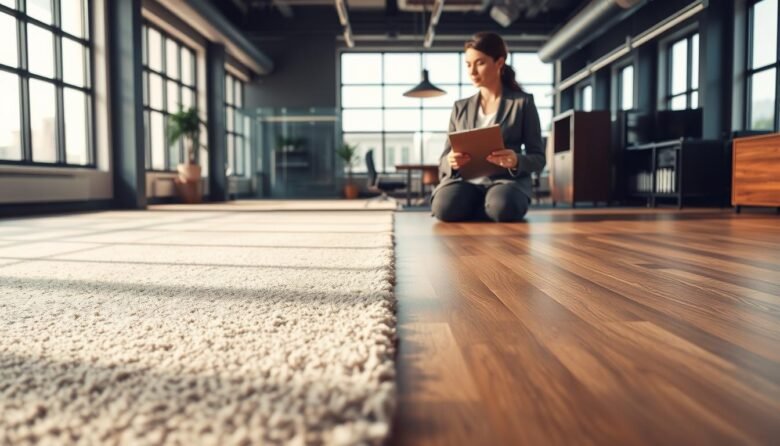
Selecting the ideal surface for your property is a critical decision with far-reaching consequences. This choice influences daily comfort, long-term safety, and, importantly, your financial bottom line. The materials underfoot play a surprisingly significant role in occupant well-being and operational efficiency.
According to the CDC, nearly a quarter of American adults have arthritis, and 39% experience back pain. While these conditions are complex, the quality and type of surface you walk on daily is a major contributing factor. Hard surfaces offer a different experience than softer alternatives, directly affecting physical health.
This guide provides a detailed financial analysis. We examine how your selection influences revenue through factors like employee productivity, maintenance costs, and customer satisfaction. Understanding these impacts helps business owners and homeowners make the right flooring choice for various spaces, balancing initial investment with lasting economic benefits.
Key Takeaways
- Flooring selection directly affects occupant health, with CDC data linking poor surfaces to widespread pain issues.
- The financial impact extends beyond initial cost to include maintenance, employee performance, and customer experience.
- Different environments, from commercial kitchens to family homes, have unique requirements for surface materials.
- Informed decisions balance upfront investment with long-term operational savings and revenue protection.
- A comprehensive analysis considers acoustics, fatigue reduction, injury prevention, and aesthetic appeal.
Understanding Flooring Choices and Their Revenue Implications
The materials beneath our feet represent more than just aesthetic considerations. They form a critical component that influences both daily operations and financial outcomes across various property types.
Market Trends and Consumer Preferences
Current market movements show a clear shift toward solutions that blend visual appeal with practical advantages. Property owners increasingly seek flooring materials that withstand heavy use while maintaining their appearance.
This trend is particularly evident in high foot traffic zones like hallways and retail spaces. Modern innovations now offer surfaces with enhanced durability and easier maintenance requirements.
The Economic Impact of Flooring Decisions
The financial consequences of your selection extend well beyond the initial purchase price. Proper choice of underfoot solutions can significantly reduce long-term operational expenses.
In commercial settings like kitchens and healthcare facilities, the right option contributes to lower maintenance costs and improved efficiency. This strategic approach optimizes both capital expenditure and ongoing financial performance.
soft floor vs hard floor impact: A Detailed Financial Comparison
Financial analysis demonstrates how cushioning properties in underfoot materials translate to measurable business gains. The choice between supportive and rigid surfaces carries significant economic implications beyond initial costs.
Revenue Benefits of Soft Flooring
Research from the Journal of Occupational Rehabilitation reveals that cushioned surfaces dramatically improve worker comfort during extended shifts. Employees standing in one position experience reduced blood vessel constriction, preventing swelling and pain.
This translates directly to increased productivity and fewer errors. Businesses report up to 20% efficiency gains in areas like commercial kitchens and retail checkout lanes.
Rubber flooring and premium vinyl options provide excellent shock absorption. They reduce joint pressure and lower healthcare expenses for employers.
Cost Considerations with Hard Flooring
While traditional surfaces may offer lower installation prices, they generate hidden long-term expenses. Constant walking on rigid materials strains foot arches similarly to repetitive impact.
Employee discomfort leads to higher turnover and increased sick leave. The cumulative costs often exceed initial savings within 3-5 years.
Maintenance requirements also differ significantly. Some cushioned materials offer easier cleaning than traditional hard options, reducing labor expenses over time.
Health, Comfort, and Safety Considerations
Beyond financial metrics, the physical well-being of occupants represents a crucial dimension in flooring selection. The right underfoot solution directly influences daily comfort and long-term health outcomes for everyone using the space.
Reducing Joint Pain and Fatigue
CDC data reveals that 24% of American adults have arthritis, while 39% experience back pain. These conditions are significantly affected by the walking surface beneath them.
Cushioned material absorbs impact forces that would otherwise travel through workers’ feet and joints. This pressure reduction prevents cumulative damage to tendons and ligaments during prolonged standing.
Health expert Stephanie Camillo emphasizes that appropriate surfaces encourage natural weight shifts. These micro-movements improve blood flow and reduce fatigue in high-traffic areas.
Anti-Slip and Impact Absorption Features
Quality rubber flooring offers inherent safety advantages through superior shock absorption. This protection is vital for foot arches, which serve as natural shock absorbers.
Textured surfaces significantly reduce slip risk in wet spaces like commercial kitchens. The right flooring choice prevents accidents while supporting musculoskeletal health.
Businesses investing in proper underfoot solutions see measurable improvements in employee satisfaction. This approach balances immediate comfort with long-term safety outcomes.
Material Properties and Installation Factors
Material composition directly influences how easily surfaces can be installed and how they will perform over time. Different flooring materials offer varying levels of installation complexity and long-term durability.
Installation Ease and Lifespan
Modern flooring options have revolutionized installation processes. Interlocking systems eliminate the need for professional installers and specialized adhesives.
Products like click-lock vinyl and rubber flooring tiles offer DIY-friendly installation. This approach can reduce labor expenses by 40-60% compared to traditional methods.
Lifespan considerations reveal significant differences between materials. Quality rubber flooring and commercial-grade vinyl can last 15-20 years in high-traffic environments.
Traditional hardwood requires periodic refinishing, while tile may need grout maintenance. The range of available materials includes eco-friendly options like reclaimed rubber from recycled tires.
Maintenance Requirements and Upkeep
Maintenance demands directly impact ongoing operational costs. Vinyl and rubber flooring require only simple cleaning with household agents and water.
Hardwood demands specialized products and careful moisture management. Moisture resistance properties differentiate materials significantly in wet spaces.
Modern flooring materials incorporate stain-resistant fibers and antimicrobial treatments. These features reduce cleaning frequency and extend service life.
Design flexibility has improved across all material categories. Manufacturers offer extensive options that maintain aesthetic appeal while optimizing efficiency.
Comparing Design, Durability, and Value
When evaluating flooring options, the interplay between visual design and long-term durability creates significant value considerations. Today’s materials offer remarkable versatility across different applications.
Visual Versatility and Aesthetic Appeal
Modern flooring provides an extensive range of design possibilities. Carpet options now feature diverse colors, textures, and patterns suitable for various rooms.
Hardwood maintains its reputation for timeless elegance. This material often enhances property value through its classic appearance.
Vinyl and laminate alternatives replicate premium looks at accessible prices. These options deliver impressive style flexibility for different spaces.
Balancing Durability with Comfort
Quality flooring must withstand daily use while providing comfort. The right choice considers both longevity and user experience.
Durability assessment extends beyond surface resistance. It includes how materials maintain appearance over time in high-traffic areas.
Comfort considerations remain essential in flooring selection. Keeping user needs in mind ensures optimal performance across all rooms.
The best approach balances aesthetic goals with practical requirements. This strategy creates spaces that are both beautiful and functional.
Applications in Family and Commercial Spaces
The practical application of different flooring materials reveals critical safety considerations for various settings. Each environment presents unique challenges that demand specific solutions.
Optimizing Safety in High-Traffic Areas
Family spaces require flooring solutions that prioritize protection for all occupants. Children, elderly residents, and pets benefit from cushioned surfaces that prevent injuries.
High-use areas like living rooms and hallways see constant activity. Proper type flooring reduces fall severity and protects against accidents.
Commercial applications face intensive foot traffic demands. Retail environments and restaurant kitchens need durable yet comfortable surfaces.
Rubber flooring excels in high-traffic zones with superior slip resistance. This material withstands constant use while providing essential cushioning.
Noise control represents another crucial safety factor. Sound-absorbing materials create calmer environments that reduce stress and improve focus.
Strategic flooring selection minimizes liability risk in commercial spaces. The right choice prevents accidents and related insurance claims.
Stairs require particular attention to safety considerations. Textured surfaces and adequate cushioning prevent serious misstep injuries.
The flooring best practices involve balancing immediate protection with long-term performance. Each application demands careful evaluation of specific needs.
Conclusion
Optimal surface selection requires careful consideration of both functional requirements and economic implications for your specific space. The right flooring choice delivers lasting value through improved occupant health and reduced operational expenses.
Modern flooring materials like cushioned vinyl and rubber provide superior shock absorption for high-traffic areas. These solutions reduce joint pressure during prolonged standing, particularly in commercial kitchens and retail spaces.
Strategic installation planning should evaluate total lifecycle costs rather than just initial prices. This approach ensures your final decision supports long-term comfort and safety while maximizing financial returns.
By keeping user needs in mind, property owners can select materials that balance aesthetic design with practical performance. The comprehensive range available today eliminates previous compromises between style, durability, and cost.