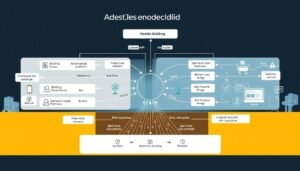
The digital advertising world is changing. There is a strong push for more clarity in how ads are bought and sold. Publishers and advertisers now want to see the fine details of every transaction.
This demand for a clear view has created a new standard for openness. It involves using highly detailed records of auction events. These records offer a complete look at the entire process.
This type of information tracks everything from the initial request to the final ad shown. It provides the foundational details needed to understand the supply chain. This trend is reshaping the industry.
Our guide will show you how to collect and make sense of this valuable information. You will gain the insights necessary to optimize your advertising efforts. We will also cover the challenges involved, giving you a balanced and professional exploration.
Understanding these dynamics is essential. It helps maximize revenue and ensures fair practices in the marketplace. This knowledge is becoming a critical advantage.
Key Takeaways
- Granular transaction records are the new gold standard for transparency.
- Publishers and advertisers increasingly demand detailed information from partners.
- This data provides a complete view of the auction process from start to finish.
- Understanding this information is key to maximizing advertising revenue.
- A balanced approach acknowledges both the value and challenges of working with this data.
- Industry trends are moving toward greater supply chain clarity.
Understanding Log-Level Data in Digital Advertising
Server-generated records offer a microscopic view of advertising transactions. These detailed files capture every interaction within the advertising supply chain. They provide the foundation for transparency in digital marketing.
Definition and Characteristics
This information comes from server logs where each entry ties to a specific occurrence. Think of ad requests, bid requests, or impression events. Every row represents one distinct happening.
The key feature is its granular nature. Unlike summarized reports, this information remains completely unaggregated. It shows individual transactions rather than grouped statistics.
Different varieties exist based on the event type. Bid-level records track bidding activities. Impression-level files capture display events. Each contains specific details like geographic information, URLs, and timestamps.
Role in Auction Ecosystems
These records serve as the foundational truth for advertising marketplaces. They enable verification of auction dynamics and transaction fairness. Publishers and advertisers can identify discrepancies effectively.
Various platforms generate this information. Ad servers, DSPs, SSPs, and exchanges all contribute to the ecosystem. The comprehensive view helps ensure transparent operations across the supply chain.
This granular perspective allows stakeholders to understand fee structures. It reveals exactly what each participant receives from marketing investments. This transparency builds trust in digital advertising processes.
Challenges in Working with Log-Level Data
Handling detailed transaction records presents significant operational hurdles that require careful planning. The journey toward complete transparency involves navigating complex technical and resource-related obstacles.
Managing Data Volume and Storage
The sheer quantity of information generated daily can be overwhelming. A publisher handling 20 million daily ad requests will produce 20 million rows of unaggregated files every single day.
Standard tools like Excel become useless quickly due to row limitations. Vendor platforms typically retain these files for only brief periods, forcing organizations to implement their own storage solutions.
Processing and Aggregation Complexities
Transforming unstructured files into usable formats demands specialized systems. This process requires building or purchasing infrastructure capable of handling massive volumes.
Analysts need aggregated tabular formats for effective decision-making. The transformation from raw files to actionable insights involves multiple technical steps.
Joining Multiple Data Feeds
Connecting different event streams requires sophisticated matching logic. Tracking a single transaction across various platforms demands careful architecture.
Some vendors may resist sharing complete information, creating additional barriers. Enterprise-level requirements have grown substantially in recent years, making effective integration essential for success.
Leveraging Raw Logs for Detailed Auction Analysis
The ability to examine individual transaction events offers unprecedented clarity in digital marketing. This granular visibility allows stakeholders to track every step of the advertising process with precision.
Insights into Each Transaction Event
Publishers gain complete supply chain transparency through detailed records. They can trace exactly what fee each vendor extracts from the original bid amount. This prevents revenue leakage and ensures fair compensation.
Buyers derive valuable insights beyond simple attribution metrics. They understand complete paths to conversion and measure true partner impact. This enables more accurate media planning on an individual user basis.
These records serve as verification mechanisms for auction dynamics. They expose undisclosed changes like shifts to first-price auctions. After the Index Exchange incident, agencies used this information to monitor campaign effects.
Transaction-level visibility represents the foundation for trust in digital advertising. It empowers both publishers and advertisers to identify problematic practices. This leads to more efficient and transparent marketing operations.
Best Practices for Log Level Data Management
Organizations seeking to leverage detailed advertising insights must establish robust procedures for handling transaction-level information. A systematic approach ensures maximum value from these granular records while managing operational challenges effectively.
Effective Data Collection and Storage Strategies
The initial step involves comprehensive gathering from all relevant sources. This includes servers, applications, and network devices. Thorough collection prevents gaps that could distort the complete picture.
Storage considerations require balancing cost with accessibility needs. Terabytes of information demand efficient solutions that support ongoing analysis. Proper planning prevents overwhelming resource demands.
Transformation and Normalization Techniques
Processing involves converting unstructured information into organized formats. Parsing categorizes entries by timestamp, source, and event characteristics. This transformation makes the information actionable for decision-making.
Working with vendors requires clear objectives and specific requests. Standardization varies widely across providers, making customization essential. Selective collection based on defined goals prevents information overload and optimizes time investment.
Integrating Log-Level Data with Existing Analytics Tools
Integrating granular transaction records with existing tools creates powerful synergies. This connection transforms overwhelming details into clear business intelligence. Proper integration maximizes the value of your technical information.
Seamless Dashboard Integration
Modern platforms aggregate information from various sources into unified views. These systems combine details from multiple servers and applications. The result is a comprehensive picture of system performance.
Artificial intelligence and machine learning enhance these visualization tools. They automatically detect patterns and anomalies across your operations. This automation helps teams identify issues faster.
Effective dashboards display key metrics like bid rates and latency. They correlate technical details with revenue patterns. This integration provides immediate visibility into auction health and performance trends.
Analysts gain observability into how applications function in real-time. They can spot opportunities for optimization and new features. The right tools turn complex records into actionable insights for decision-makers.
Optimizing Auction Performance through In-Depth Data Insights
Unlocking the full potential of advertising operations requires moving beyond surface-level metrics. A deep understanding of transaction records reveals opportunities for significant performance improvements.
Analyzing Metrics and Patterns
Systematic examination of performance indicators helps identify recurring trends. Pattern recognition techniques can spot underperforming demand sources and time-based fluctuations.
Performance evaluation across multiple dimensions uncovers hidden opportunities. Looking at geographic, device, and format variations provides a comprehensive view.
Real-Time Data Utilization
Streaming analytics enables immediate response to emerging conditions. Teams can capitalize on sudden market shifts and address issues proactively.
Continuous monitoring of transaction streams supports agile decision-making. This approach transforms operations from reactive to predictive.
Real-time visibility into system health allows for immediate optimization. Teams can respond to anomalies and capitalize on opportunities as they emerge.
log level data, raw logs, auction analysis
Verifiable truth in advertising transactions has become the new currency of trust between industry participants. The demand for complete supply chain visibility is reshaping how publishers and advertisers approach their partnerships.
The Power of Audit Capabilities
Forward-thinking publishers now ask vendors directly, “Where’s my transaction information?” This question reflects a fundamental shift toward accountability. Having access to comprehensive records allows organizations to verify that marketplace mechanics function as promised.
When vendors modify auction dynamics without notification, it impacts revenue outcomes significantly. The Guardian has led the way by proactively requesting detailed transaction records. Index Exchange’s Client Audit tools provide impression-level insights including advertiser, buyer, and DSP details not available through standard interfaces.
These audit capabilities enable publishers to perform buy-side examination and identify optimal demand paths. The entire ecosystem benefits when all participants operate with equal information. This transparency builds sustainable business relationships based on complete understanding of each transaction.
Enhanced visibility is not just about identifying problems. It establishes a foundation for optimization and trust across the supply chain. Every party gains the ability to verify fee structures and ensure fair practices.
Utilizing Advanced Log Analysis Techniques for System Optimization
Three distinct file categories provide comprehensive visibility into system operations and user interactions. Access files track requests and destinations, helping monitor user behavior. Error files capture security incidents and system failures. Event files record all activities within a platform during specific time periods.
Implementing Pattern Recognition and Anomaly Detection
Pattern recognition algorithms process massive datasets to identify recurring issues. They spot repeated failures from specific sources or systematic problems at certain times. Anomaly detection uses machine intelligence to automatically identify unusual spikes in traffic or unexpected user behavior.
These tools help analysts spot deviations that human review might miss. They establish baselines for normal operations and flag abnormalities for investigation.
Leveraging Machine Learning for Root Cause Analysis
Root cause examination traces sequences backward from problems through parsed information. It identifies underlying conditions that triggered issues like system failures. Machine learning enhances this processing by quickly analyzing large volumes from various sources.
This comprehensive approach creates a continuous optimization framework that improves performance while maintaining security. Teams gain visibility into potential threats and can respond to incidents proactively.
Final Reflections on Unlocking Auction Insights
Mastering the flow of transaction information is a critical task for modern enterprises. This detailed insight provides a clear view into every aspect of advertising operations. It transforms complex processes into understandable patterns.
The journey requires a solid commitment to best practices in handling this information. While the volume and cost can seem high, the return is substantial. This investment pays for itself through improved security and performance. Organizations can prevent costly incidents and ensure compliance with regulations.
Beyond security, these insights help resolve issues faster and understand user behavior. This leads to smarter decisions about applications and systems. A strategic approach to this information unlocks significant competitive advantages.
Ultimately, embracing this detailed view is essential for growth and optimization. It builds a foundation of trust and transparency. The rewards for organizations that master this discipline are both substantial and sustainable.